
Lighting Control Designed for Custom Home Construction
Lighting control only works when it’s planned early and coordinated with the build. We design and coordinate lighting control infrastructure for custom home builders throughout Houston, TX and the Greater Houston area—defining keypad locations, load groupings, and system requirements before electrical rough-in.
Our process aligns lighting control with schedules, inspections, and long-term reliability—without creating mid-build surprises.
Builder Challenges with Lighting Control
Lighting control issues typically surface late in the build—misplaced keypads, unclear load groupings, last-minute homeowner changes, or lighting decisions made after electrical rough-in.
The result is predictable: rework, delays, and change orders that shouldn’t exist.
Our role is to prevent that by treating lighting control as part of the construction scope from the start—planned, documented, and coordinated with the builder and electrical trade.
Lighting control is closely tied to prewire and structured wiring—view our low voltage solutions to see how these systems are planned together.
Our Approach to Lighting Control During Construction
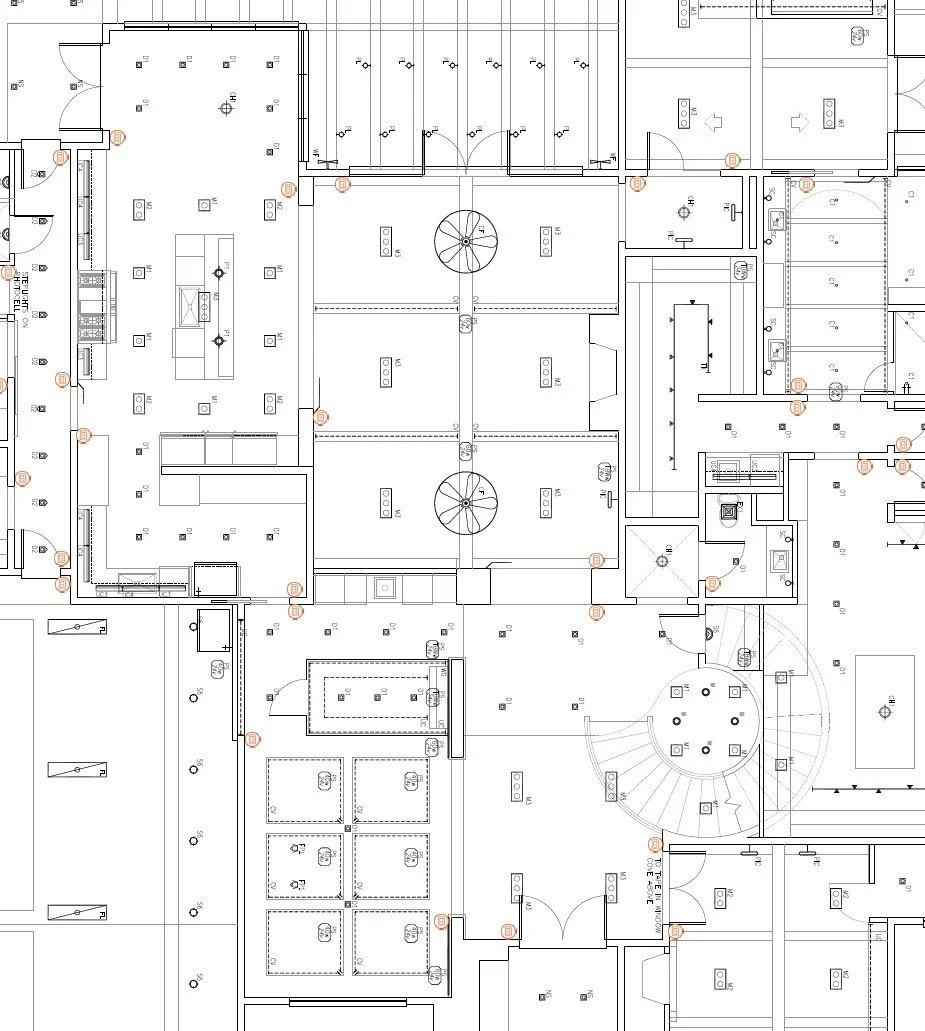
We coordinate lighting control planning during plan review and framing—working alongside electrical and other trades to define keypad locations, load groupings, cabinet/panel requirements, and wiring paths before work begins.
This coordination reduces rework, supports clean inspections, and ensures lighting control integrates into the electrical plan—rather than competing with it.
We also guide early system-direction decisions so homeowners get what they want without disrupting the construction schedule.
Keypad Locations, Load Planning, and User Experience
Lighting control succeeds when keypads are placed intentionally and lighting loads are grouped logically. We plan keypad locations based on room use, circulation paths, and architectural intent—rather than forcing compromises after drywall.
Load planning is defined early to support clean wiring, consistent system behavior, and intuitive operation for homeowners—without introducing mid-build changes.
This approach protects finishes, simplifies electrical coordination, and reduces change orders later in the project.
Infrastructure, Panels, and System Reliability
Lighting control systems require proper infrastructure—panel locations, control modules, power considerations, ventilation, and service access.
We design lighting control infrastructure that supports long-term serviceability and clean turnover, without impacting adjacent trades or finished spaces.
Infrastructure planning is coordinated early to support efficient installation, inspection readiness, and reliable operation over the life of the home.
System architecture decisions—whether centralized or distributed—are evaluated early based on the home, the construction process, and homeowner priorities.
Lighting control planning often overlaps with motorized shades, particularly when coordinating keypads, scenes, and window conditions.
Supporting Homeowner Customization Without Scope Creep
A well-planned lighting control system allows homeowners to make informed decisions without introducing late-stage changes.
By defining base infrastructure early and identifying optional control pathways, we help builders manage upgrade conversations while protecting schedules, budgets, and inspection timelines.
Why Builders Choose Nexus for Lighting Control
Early coordination of lighting control and electrical systems
Intentional keypad placement and load planning
Clean integration with electrical rough-in
Infrastructure designed for long-term serviceability
Reduced rework, delays, and inspection issues
Plan the Lighting Control Early
If you’re planning a new custom home or high-end renovation in Houston, TX or the Greater Houston area, lighting control should be addressed early in the build.
Start a conversation early to confirm scope, timelines, and whether we’re the right fit for your team.