
Motorized Shades Designed for Custom Home Construction
Motorized shading systems in a custom home are successful only when they’re planned early and coordinated properly. We design and integrate motorized shades for custom home builders throughout Houston, TX and the Greater Houston area—ensuring window conditions, power locations, control methods, and concealment details are defined before drywall and trim.
Our approach aligns motorized shading with construction schedules, architectural intent, and long-term system reliability.
Builder Challenges with Motorized Shades
Motorized shade issues often surface late in the build—insufficient power at windows, unplanned fascia or pocket details, missed conduit paths, or homeowner expectations introduced after trim and drywall.
These problems typically stem from shading being treated as a finish item rather than part of the construction scope.
Our role is to eliminate those issues by integrating motorized shade planning into the build process from the beginning.
Motorized shading infrastructure is closely tied to prewire, lighting control, and window design—view our low voltage solutions to see how these systems are planned together during construction.
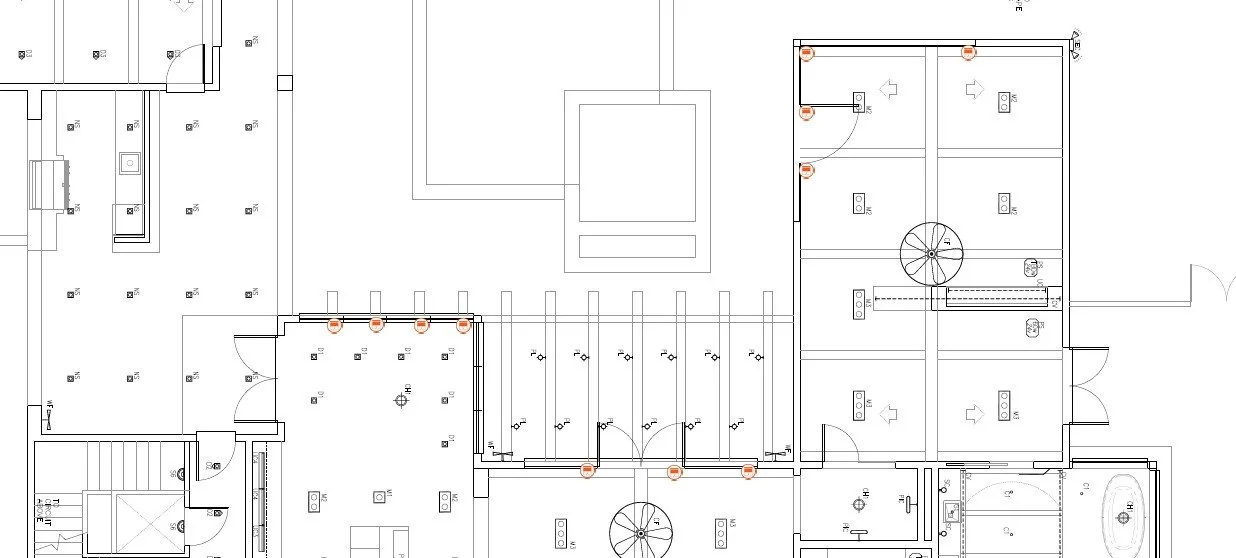
Our Approach to Motorized Shades During Construction
We coordinate motorized shade planning during plan review, framing, and prewire—working alongside builders, electricians, and window specialists to define power locations, control pathways, concealment strategies, and service access before work begins.
This coordination reduces rework, protects finish details, and ensures shades integrate cleanly into the home rather than being added after the fact.
Shade Pocket Design, Power, and Prewire Coordination
Successful motorized shade installations depend on early coordination of shade pockets, fascia conditions, power placement, and wiring pathways.
We plan shade infrastructure based on window dimensions, mounting conditions, fabric type, and control strategy—ensuring power and concealment are addressed before framing and trim decisions are finalized.
This approach avoids exposed hardware, surface-mounted raceways, and last-minute construction changes.
Control Integration and System Reliability
Motorized shades are most effective when they integrate cleanly with the home’s lighting control and automation systems.
We design shade control strategies that support intuitive operation, consistent performance, and long-term reliability—whether shades are operated by keypad, app, schedules, or integrated scenes.
System architecture is defined early to support both current use and future expansion.
Supporting Homeowner Options Without Scope Creep
A well-planned motorized shading infrastructure allows homeowners to make informed decisions without creating change orders during construction.
By defining base infrastructure early and identifying optional upgrade paths—such as additional windows, fabric types, or control methods—we help builders manage expectations while protecting schedules and budgets.
Why Builders Choose Nexus for Motorized Shades
Early coordination of shade pockets, power, and concealment
Clean integration with framing, electrical, and finish trades
Infrastructure designed for long-term serviceability
Thoughtful control integration with lighting and automation systems
Reduced rework and late-stage construction changes
Plan the Motorized Shades Early
If you’re planning a new custom home or high-end renovation in Houston, TX or the Greater Houston area, motorized shades should be addressed early in the build.
Start a conversation early to confirm scope, timelines, and whether we’re the right fit for your team.